

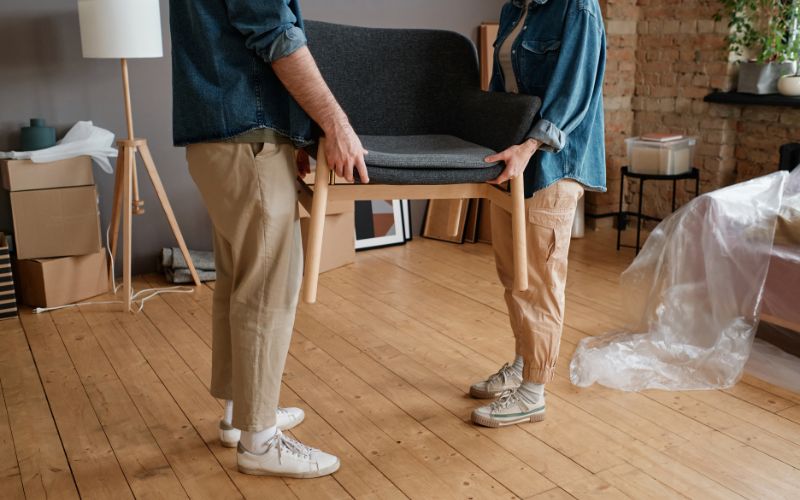
Moving house can get messy very fast. You start with a plan, but then boxes build up, rooms get crowded, and everyone feels rushed. In the middle of that, it is easy to forget furniture.Many people think they will only leave behind small things. But large items get missed too. Beds, chairs, tables, sofas, and shelves can all be left in the old home if there is no clear plan. At H1F Removals & Logistics, we know this happens when people are tired and trying to do too much at once.
Why furniture gets left behind
Furniture is often left until the end of the move. People pack clothes, books, and kitchen items first. Big items stay where they are, so they do not feel urgent at the start.Then moving day comes. The van is outside, the house is busy, and time runs short. That is when a garden bench, spare chair, or old wardrobe gets missed. It is usually not carelessness. It is just stress and rushing.Sometimes people also leave furniture behind because they never made a clear choice. They are not sure if they want to keep it, sell it, or throw it away. That delay turns into a problem on the day.
Make a full furniture list
A simple list can help a lot. Walk through every room and write down each piece of furniture you want to move. Check bedrooms, living spaces, the hall, garage, shed, and garden too.This helps because people often forget furniture in less used places. A shelf in the garage or a small table in the spare room may not be on your mind. But if it is on your list, it is less likely to be missed.A list also helps you stay calm. You can check items off as they are loaded. That gives you a clear picture of what is done and what still needs attention.
Decide early what you are keeping
Not every piece of furniture should move with you. Some items may be broken, old, too big, or not right for the new home. That is why it helps to decide early what stays and what goes.Try not to leave these choices until moving day. Last-minute choices often lead to delays and mistakes. A sofa or table can end up sitting in the old house just because nobody made a final decision.It helps to split furniture into simple groups. Keep, sell, give away, or remove. Once you know where each item belongs, the move becomes much easier.
Measure large items before the move
A lot of trouble starts with guessing. People think the bed will fit. They think the sofa will go through the door. Then they find out too late that it will not work.Measure large furniture before moving day. If you can, also measure doors, stairs, and rooms in the new place. A simple tape measure can save a lot of stress.This step helps you avoid leaving furniture behind because of size. If an item will not fit, you can plan early instead of making a rushed choice on the day.
Take apart what you can early
Some furniture needs to be taken apart before it can move safely. Beds, wardrobes, desks, and tables are common examples. If you leave that job too late, it can slow everything down.A screw may be stuck. A tool may be missing. Small parts may get lost. Then people run out of time and may leave the item behind.Try to take large items apart the day before. Put screws and small parts in a bag and label it clearly. That small step makes the move much smoother.
Do not hide furniture in one last room
Many people use one room as a dumping space near the end of a move. It may be the spare room, garage, or hall. At first, this feels helpful because it clears the rest of the house.The problem is that furniture gets buried under bags, boxes, and loose items. When the day gets busy, people stop seeing what is really there. That is how smaller furniture gets missed.Try to keep furniture easy to see. If you move it into one area, keep it neat and grouped well. What is visible is easier to move. What is hidden is easier to forget.
Keep track of last items
Some furniture stays in use until the final hours. Beds, sofas, and desks are good examples. Because they are still being used, they can be forgotten more easily.Make a short list of these last items. Check that list before the van leaves. It only takes a minute, but it can stop a big mistake.This works well in busy family homes. A child’s bed or a small table may stay in use longer than expected. A simple note keeps it in your mind.
Do a final check before you leave
A final walk-through is one of the best ways to avoid leaving furniture behind when moving house. Do it after the van is loaded but before you hand over the keys.Walk into each room slowly. Check corners, behind doors, cupboards, the loft, garage, shed, and garden. A lot of forgotten furniture is not in the middle of the room. It is off to one side.It is best if one person does this carefully. When too many people check, each person may think someone else already looked. One calm check is often enough to catch what others missed.
Plan for unwanted furniture
Sometimes furniture gets left behind on purpose. But even then, it should be planned. You cannot always leave old items in the property and walk away.If you do not want something, sort it out before moving day. Sell it, give it away, or arrange for it to be taken out. The sooner you do this, the less stress you will have later.Once you move into the new place, you will not want to go back for an old chair or broken sofa. It is always easier to deal with unwanted furniture early.
Conclusion
Leaving furniture behind when moving house is common, but it can be avoided. Most of the time, it happens because people are rushed, tired, or unsure about what to do with certain items.Make a list, decide early, measure large items, take apart what you can, and do one final check before leaving. These simple steps can save time, stress, and extra cost.At H1F Removals & Logistics, we always say that a smooth move starts with a clear plan. One small step today can help a lot. Walk through your home and write down every piece of furniture you want to move.
Frequently Asked Questions
Can I leave old furniture in the house?
Only if the buyer or landlord agrees. If not, you should remove it.
What furniture gets left behind most?
Small tables, chairs, garden items, and spare room furniture are often missed.
When should I sort my furniture?
At least one week before moving day is best.
Should I take furniture apart before moving?
Yes, if it is large or hard to carry. It saves time and stress.
Is a final room check really needed?
Yes. It is one of the best ways to catch forgotten items.